Nadra Majeed Assaf is an American Lebanese Dancer, Choreographer, Academician, Researcher who has worked in the Middle East since 1991. She was born in Dallas Texas on August 25th, 1963 to her parents: Linda Highlander (American) and Majeed Saleem Assaf (Lebanese). She has spent her life and career bouncing back and forth between her two countries and when asked during an interview where did she feel like she most belonged, she replied: “Nowhere. I truly feel like I am always lost between the two. When I am in the US, I feel Lebanese and when I am in Lebanon, I feel American.”
She is the eldest of five and her brothers are: George, Nabil, Amin and Samir.

She is the founder/artistic director and current financial manager of Al-Sarab Dance Foundation which houses Al-Sarab Dance School as well as Al-Sarab Dance Company (or as referred to in Europe: Dance Troupe). She is also a fulltime academic (Lebanese American University) and well-known researcher in dance in the Middle East.
She received her M.F.A. in Dance from Sarah Lawrence College, and a Doctorate of Education from Leicester University. In addition to those degrees she also has a BA in Theater from Centenary College and a BS in Finance from Louisiana State University.
When she returned to Lebanon in 1991, she immediately founded Al-Sarab Dance (which is made up of Al-Sarab Alternative Dance School and Al-Sarab Dance Company). In 1992, on the 5th of May, Nadra gave birth to her son Majd Alalam (an established artist in the field of music). She has collaborated with him on several projects of her own and her dance company continue to work him to date.
Concurrent with the development of ASD, she also begin her career as an academic. She taught across Lebanon in several different universities (NDU, LAU-BUC, USEK, USJ, AUT, UL, UoB and others). She found a permanent home LAU after 13 years of being an adjunct professor, by accepting a fulltime position in 2004. She also served as associate chair of the Communication Arts Department for 5 years (2015-2020).
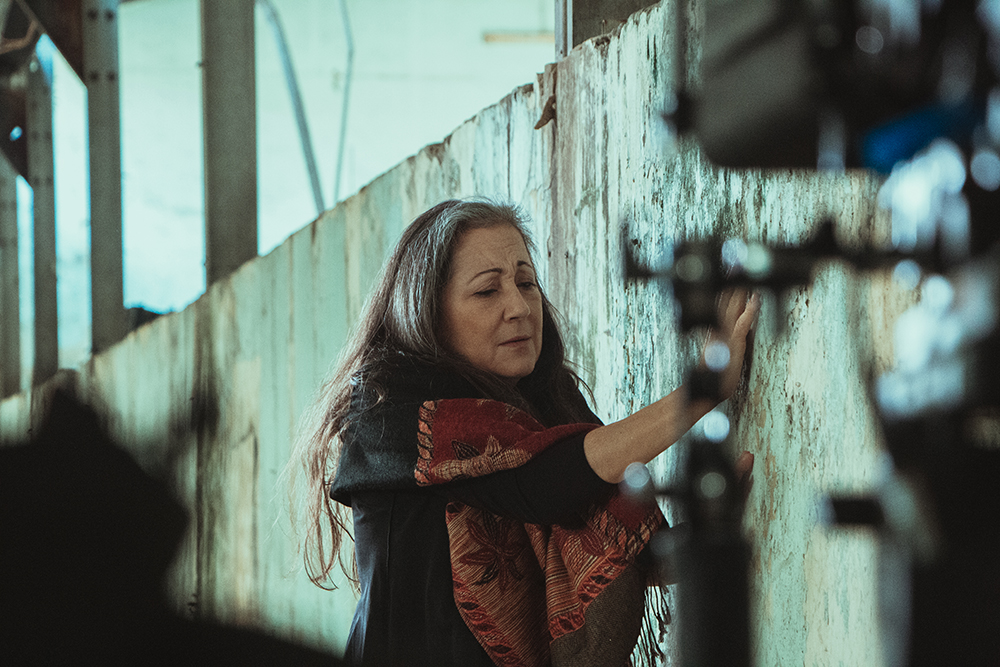
She is best known for her work in dance in the Middle East as she has lived in Lebanon for the past 30+ years. Most of her dance productions are performed in different countries (Lebanon, Bahrain, USA, Sweden, Finland, and Croatia) include: Public Conflict, Private Scars (2019), Sawtee (2019, 2017), Our Bodies, Our Voices (2017), Am I Who I Am Who Are You Who (2017) Sawtee (2017). This Is How It Happened! (2016), INFLUX (2015), STS: Space-Time-Shape (2012), I Matter: An Audience Interactive Performance (2010), The Faces of EVE (2008-2009), and Majnoun Leila (2007).
In April 2011, she organized and implemented the first annual International Dance Day Festival in Lebanon (IDDFL), which was hosted and sponsored by LAU and continues to exist to date. She is a founding member of IDO Lebanon, a member of DSA and NDEO and has also been a Judge/Instructor on several Lebanese TV programs concerning performing arts.
Assaf is an advocate for the arts (particularly dance) in Lebanon and the Region. She is also an avid researcher; among her publications: Audience/performer re-action: an investigation into audience/performer reciprocity via a touring site-specific performance in Lebanon (2020) Not Without My Body: The Struggle of Dancers and Choreographers in the Middle East (2015) and “I Matter”: An Interactive Exploration of Audience-Performer Connections (2012).
She is a part of the subject matter in two books by the renowned researcher Rose Martin.
Women, Dance and Revolution: Performance and Protest in the Southern Mediterranean (2016)
Talking Dance: Contemporary Histories from the Southern Mediterranean (2014)
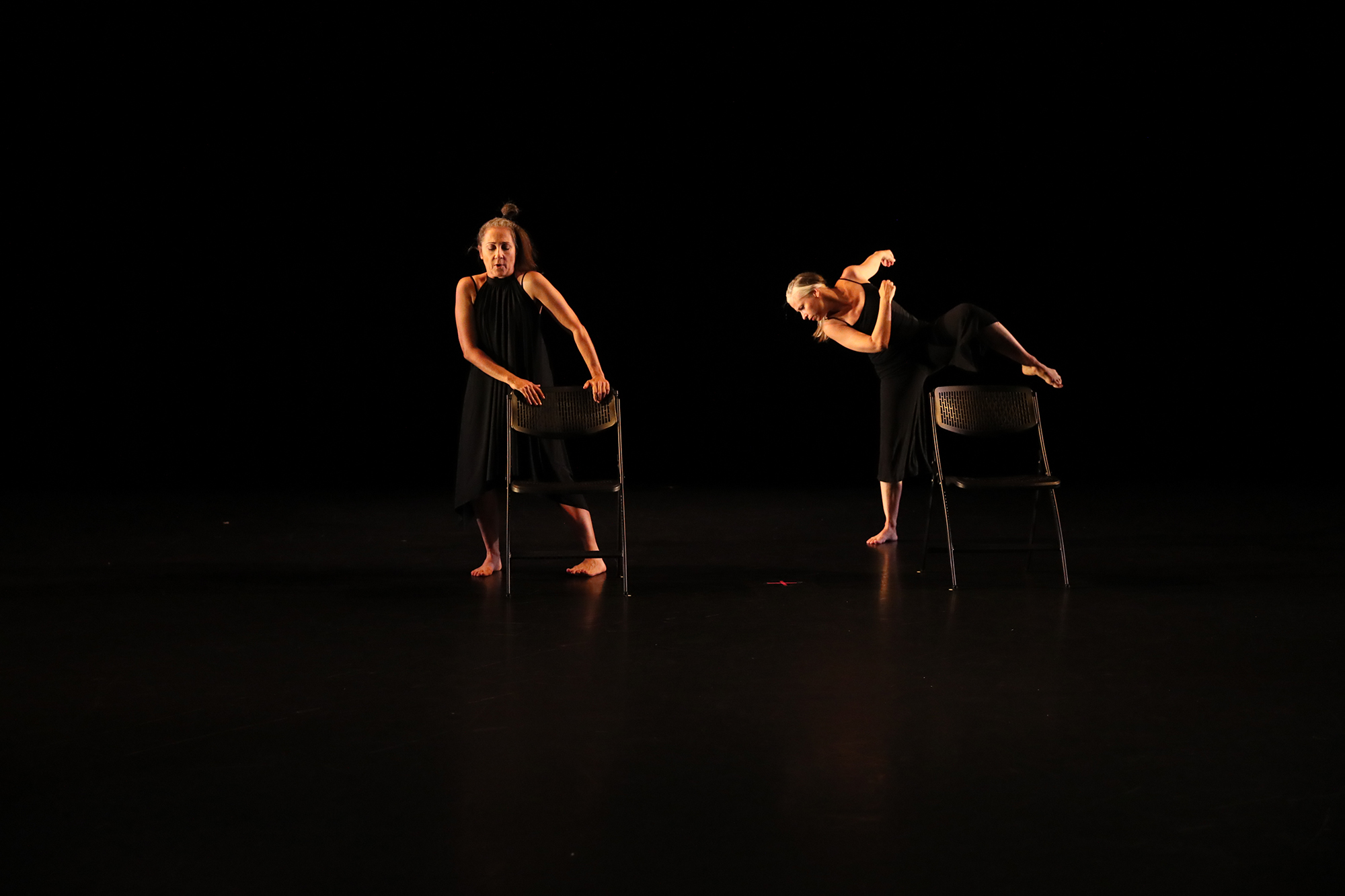
She has worked with many artists in the region most notably: Marcel Khalife, Ziad Rahbani, Georgette Gebara, Oumeima Khalil, Yolla Khalife, Souraya Baghdadi, Chadi Zein, Mike Massy, Rami Khalife, Jacques Maroun, Talal El Jurdi, Simon Asmar, Bassem Christo, Elsa Zgheib, Georges Chakra et.al.
She continues to research, publish and write in areas such as: Audience Performer connections, Dance and Gender, Somatic practices, and Site-Specific Interactions.
 Nadra Assaf